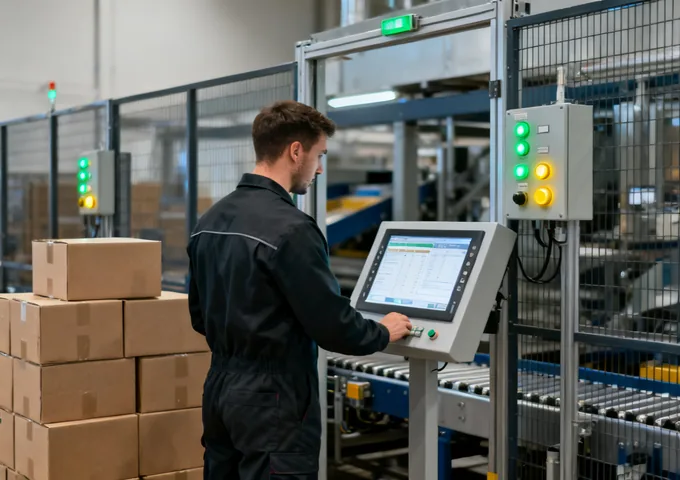
Conveyor engineering team reviewing a sortation model
Engineering accountability

Intralox keeps conveyor assumptions visible

Our working culture is built around traceable flow inputs, practical maintenance access and a handover that operations can use after the project team leaves.

Mission

Turn warehouse flow constraints into a testable conveyor brief

Intralox brand records list a 1990 founding year and planning ranges such as 1,000+ people and 46 countries served. Those figures are generated-range working context from configuration, not independently verified public claims, so we do not present them as certified market facts.

The useful evidence is the project record: load classes, divert rules, interface notes, inspection criteria, deviations and closure status. Our mission is to preserve that record from early concept through installed handover.
Operating view

A reliable line is one people can inspect and recover

Sortation density has value when gap control, chute capacity, fire egress and future expansion remain workable. Automation has value when the WMS/WCS/PLC boundary and degraded mode are understood. Neither goal is served by a nominal rate detached from SKU velocity, order structure, zero-pressure accumulation and buffer occupancy.

We favor decisions that a maintenance manager, EHS reviewer, controls engineer and operations director can evaluate against the same set of assumptions.

How the team works

Four habits behind a dependable handover

01

Record the boundary

Every capacity, divert and availability statement names the conditions under which it applies.

02

Invite operational review

Maintenance, safety and controls stakeholders enter the conversation before layout decisions harden.

03

Test exceptions

Acceptance scenarios include jammed belts, failed photo eyes, out-of-gauge cartons and controlled restart—not just normal cycles.

04

Close evidence

Open issues retain an owner, due date and verification record so handover remains a documented acceptance.

Working environment

The project moves between desk, mezzanine and test floor

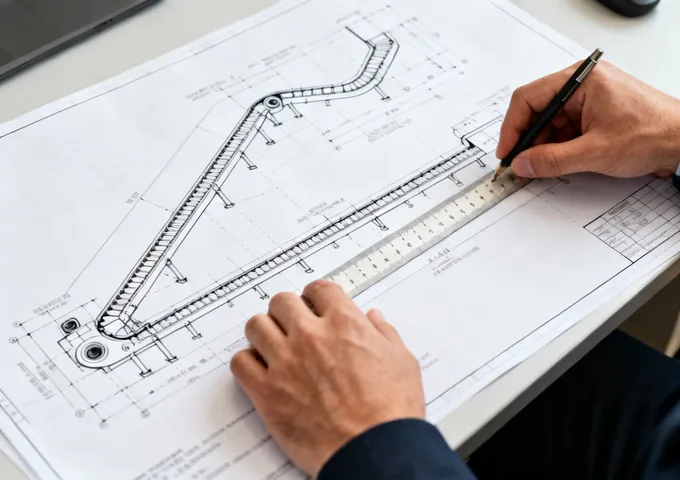
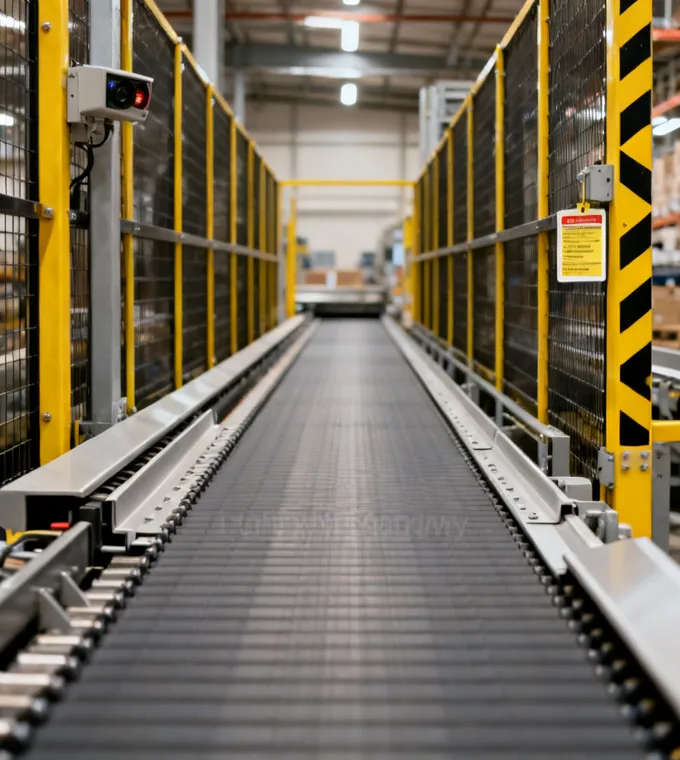
Application work begins with data, but a conveying concept must survive a building survey and an operational walkthrough. Mechanical review addresses belt path and clearances. Controls review identifies command ownership and timeouts. Site work checks guarding, access and the practical sequence for installation in a live warehouse.

We do not publish unnamed testimonials or invented customer outcomes. When project facts are unavailable for public use, our content relies on disclosed methods, measurable inputs and reproducible acceptance steps.

Conveyor engineering drawing reviewGuarded sorter aisle inspectionSite acceptance control review at conveyor HMI

Work with a team that asks what happens after the jam

We value engineers and project professionals who can translate warehouse flow data into clear decisions, document limitations and collaborate across operations, safety, maintenance and controls.